

BPA-free thermal paper is now the standard choice for receipts, tickets and labels. Thermal printers use heat instead of ink to create an image on a specially coated sheet, and for years many of those coatings used bisphenol A (BPA). Here is how thermal paper works, why BPA was phased out, and what to check when you order rolls.
How thermal paper works
Thermal paper is coated on one side with a heat-sensitive layer that contains a colourless dye and a developer. When the printer’s print head heats a tiny area, the developer reacts with the dye and that spot turns dark. Because there is no ink, toner or ribbon, thermal printers are fast, quiet and need very little maintenance, which is why they are used in shops, banks, transport and logistics.
Why BPA-free thermal paper matters
BPA was widely used as the developer in thermal coatings. Because receipts are handled constantly, BPA can transfer to skin, and cashiers who handle receipts all day were the main concern. The European Union restricted BPA in thermal paper to no more than 0.02% by weight from January 2020; the European Chemicals Agency explains the background. Several other markets and many retailers have set similar requirements.
What replaces BPA?
Some BPA-free papers use bisphenol S (BPS), a close chemical relative that is also coming under review. Others use non-bisphenol developers. If your customers or regulations ask for “bisphenol-free” rather than just “BPA-free”, say so in your enquiry so the supplier quotes the right coating.
Where BPA-free thermal paper is used
- Point of sale: shop and restaurant receipts, usually 80 mm wide.
- Card terminals: payment slips, usually 57 mm wide.
- ATMs and kiosks: transaction slips on larger rolls.
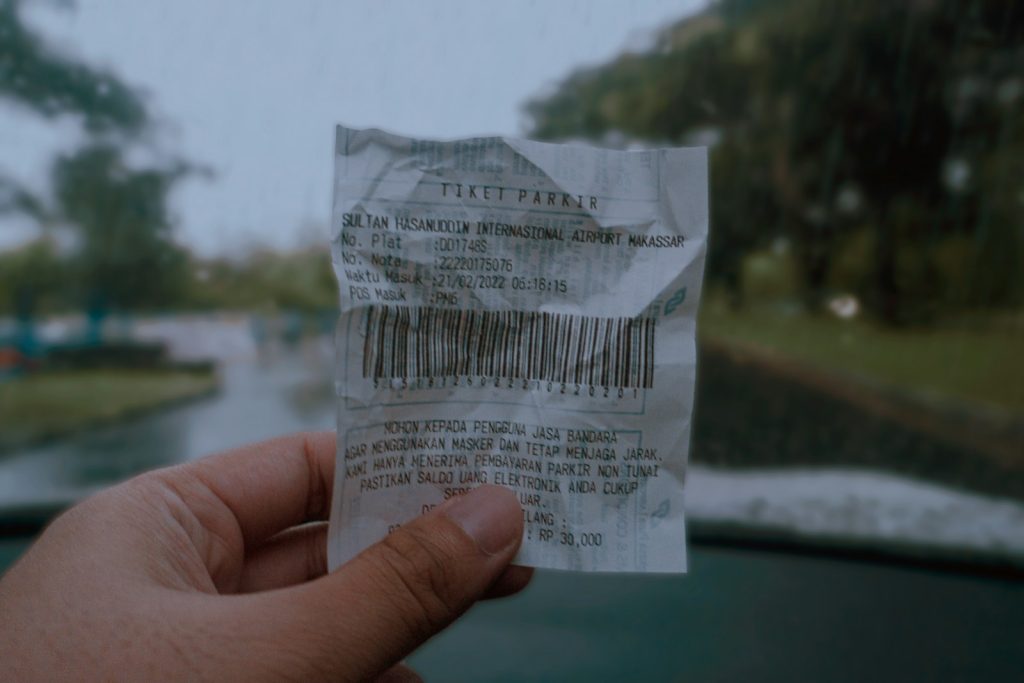
- Tickets and labels: queue tickets, parking, shipping and barcode labels.
Choosing the right rolls
Match the roll to the printer first. Check the paper width, the maximum roll diameter the paper bay accepts, and the core size. Then choose the grade:
- Standard rolls suit everyday receipts that are kept for days or weeks.
- Top-coated rolls add a protective layer that resists oils, water and abrasion, which suits tickets and labels.
- Long-life grades are designed for records that must stay legible for years.
For a full breakdown of widths and diameters, see our guide to thermal paper roll sizes.
Storing thermal rolls so prints last
Thermal images fade when exposed to heat, strong light and some chemicals. Store rolls in a cool, dry, dark place and keep printed receipts away from PVC sleeves, adhesives and hand creams, which can react with the coating.
Ordering BPA-free thermal paper in bulk
WB PAPER FACTORY supplies BPA-free thermal rolls in standard, OEM and jumbo formats. Send us your printer model or roll dimensions, the quantity and the coating you need, and we will quote. Tell us your requirements.
If you are also sourcing Standard Thermal Paper, see our full guide: Standard Thermal Paper – our dedicated wholesale guide with roll widths, coating grades, and export packaging.