

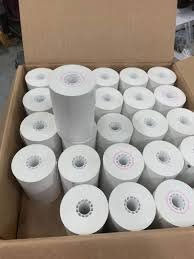
Ask anyone who runs a busy checkout counter what they think about receipt paper and you’ll get a blank stare — until the printer jams mid-transaction, or the receipt fades to nothing in someone’s pocket before they even get home. That’s when people start paying attention to what’s actually loaded in the machine. Standard Thermal Paper is the roll we point most businesses toward first, because it’s built to disappear into the background and just work, order after order.
We manufacture it ourselves at WB Paper Factory, so what follows isn’t copy pulled from a supplier’s brochure — it’s the actual coating, weight, and roll specs we control on our own production line. This page walks through what standard thermal paper actually is, the full specifications, who relies on it day to day, and how to order it in bulk without the usual sales fluff.
Table of Contents
- What Standard Thermal Paper Actually Is
- Full Specifications
- Roll Sizes and Core Diameters Explained
- How Thermal Printing Actually Works
- Who Relies on Standard Thermal Paper
- BPA-Free Coating and FSC Sourcing
- Printer and Terminal Compatibility
- How It Compares to Our OEM Thermal Paper
- Wholesale Pricing and Bulk Orders
- Packaging and Shipping
- Frequently Asked Questions
- Storage Advice and Print Longevity
- Printing Problems This Paper Avoids
- A Quick Story From a Retail Client
- How Consistency Is Controlled at the Mill
- A Common Mistake Buyers Make
- More Questions Before You Order
- Lead Times and Planning Around Deadlines
- Private Labeling for Resellers
- Place Your Order
What Standard Thermal Paper Actually Is
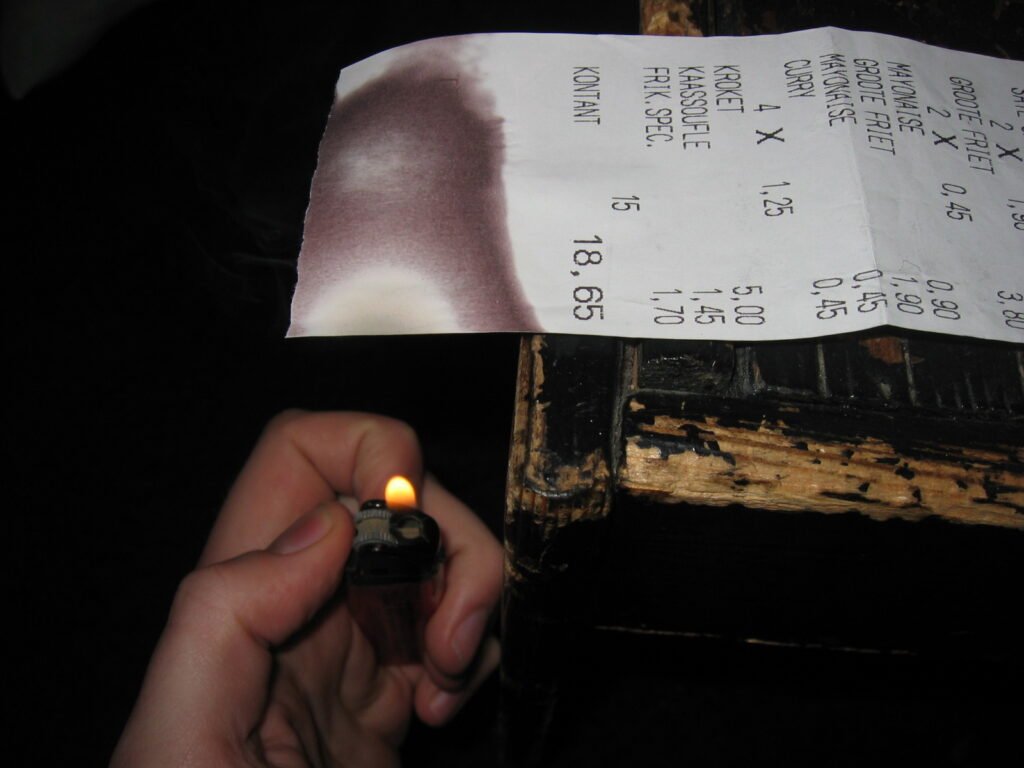
Thermal paper doesn’t print the way regular copy paper does. There’s no ink cartridge, no toner, nothing being pressed onto the sheet from outside. The paper itself is coated with a heat-sensitive layer that darkens exactly where a thermal print head touches it, which is why a receipt printer can spit out a ticket in under a second with almost no moving parts wearing down.
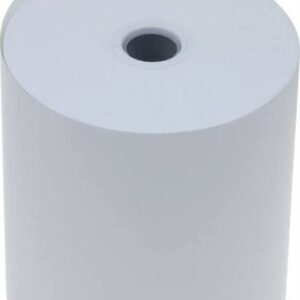
Standard Thermal Paper is our everyday line in this category — the roll we recommend when a business needs dependable, high-volume printing without paying for niche features it won’t use. It’s the paper behind most point-of-sale receipts, parking tickets, and weighing-scale labels you’ve probably handled this week without thinking twice about it.
Full Specifications
- Base weight: 48–55 GSM, standard thermal-grade thickness
- Coating: single-side heat-sensitive top coat, BPA-free formulation
- Roll widths: 57mm, 80mm (custom widths available on request)
- Roll diameters: 40mm, 50mm, 60mm depending on width and core
- Core diameter: 12mm and 17mm standard cores
- Print color: black image on white base
- Sensitivity: high-sensitivity coating for fast print speeds
- Certification: FSC certified pulp sourcing
- Compatibility: POS printers, ATMs, barcode and label printers, weighing scales
- Packaging: shrink-wrapped rolls, standard 50 rolls per carton
Every one of these numbers is something we can adjust for a large order — width, core size, roll count per box — but this is the configuration that covers the vast majority of what businesses actually order when they don’t have a specific reason to deviate.
Roll Sizes and Core Diameters Explained
57mm is the width you’ll recognize from almost every small countertop receipt printer — cafes, retail counters, taxis, small restaurants. It’s the most common size we ship by volume, mainly because so much POS hardware is built around it as the default.
80mm is the wider option, used in printers that need more room per line — larger retail chains, restaurants printing itemized kitchen tickets, and some logistics and shipping label printers. The extra width means fewer line wraps on longer receipts, which matters more than people expect once an order has ten or fifteen items on it.
Core diameter is the easy spec to overlook until a roll doesn’t fit the printer’s spindle. 12mm cores are common in compact countertop units, while 17mm cores show up more in larger, higher-volume printers. If you’re not sure which core your equipment takes, checking the old roll you’re replacing is usually the fastest way to confirm before ordering a bulk batch.
How Thermal Printing Actually Works
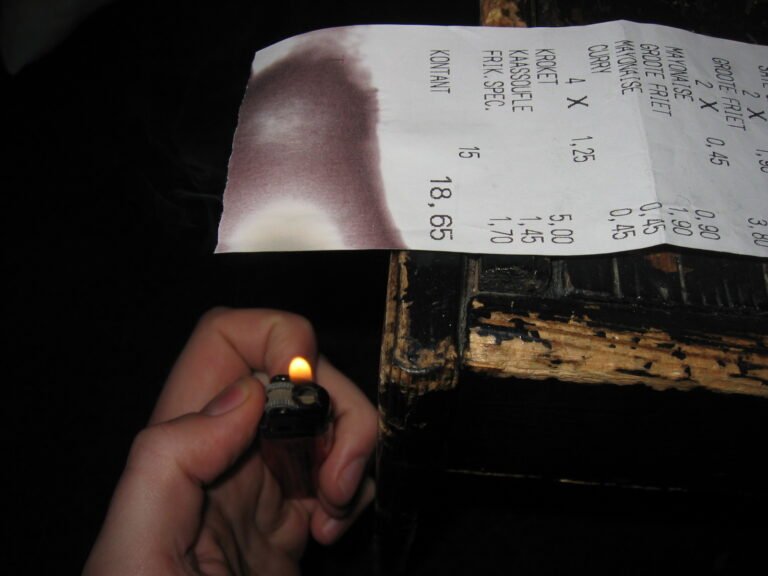
The coating on thermal paper contains a dye that stays colorless at room temperature and turns black the instant it’s heated past a certain point. A thermal print head presses tiny heating elements against the paper as it feeds through, and each element that gets hot enough leaves a dark dot behind — that’s the entire mechanism, repeated thousands of times a second to build up text and barcodes.
Because there’s no ink to dry and no ribbon to wear out, thermal printers are simpler machines with fewer parts that fail. The tradeoff is that the paper itself is doing more of the work than people realize, which is exactly why a poorly coated roll causes light, patchy printing even on a perfectly good printer.
Print speed and darkness both come down to how sensitive the coating is. A coating engineered for high sensitivity, like the one on this roll, reaches full black image density at lower heat and shorter dwell time, which is what lets modern POS printers run receipts out as fast as they do without the print looking gray or streaky.
Who Relies on Standard Thermal Paper
- Retail stores and supermarkets printing POS receipts at checkout all day, every day.
- Restaurants and cafes using it for both customer receipts and kitchen order tickets.
- Parking operators and toll systems printing tickets that need to survive a coat pocket for a few days.
- Banks and ATMs printing transaction slips and balance confirmations.
- Logistics and courier companies printing barcode labels and shipping tickets at volume.
- Weighing scale operators in markets and warehouses printing weight and price tickets.
What ties these buyers together is volume and speed. Nobody printing a handful of receipts a day notices small inconsistencies in a roll. A supermarket running thousands of transactions daily notices immediately, because a light print or a jam doesn’t just cost a few seconds — it holds up a line of customers standing right there watching it happen.
BPA-Free Coating and FSC Sourcing
Older thermal paper coatings used Bisphenol A as a color developer, and health and environmental concerns around that chemical pushed most of the industry toward BPA-free formulations over the past decade. Standard Thermal Paper is manufactured with a BPA-free coating from the start, not retrofitted after the fact, which matters for businesses handling receipts that customers or staff touch repeatedly through the day.
The pulp behind this paper is also FSC certified, meaning it’s traceable to forestry independently audited for sustainable harvesting and replanting. You can review exactly what that certification requires on the Forest Stewardship Council’s website rather than take our word for it. For procurement teams with sustainability criteria written into their purchasing policy, we can provide documentation alongside your order.
Printer and Terminal Compatibility
This roll runs cleanly in standard POS receipt printers, ATM slip printers, fax machines, barcode label printers, and most weighing-scale ticket printers without special settings. The coating is finished to a consistent thickness so it feeds smoothly through the narrow paper path most of these machines use, which is a tighter tolerance than a general-purpose printer needs to worry about.
If your business runs a mix of equipment from different manufacturers, standardizing on one thermal roll rather than buying whatever’s cheapest per machine tends to cut down on the printer-specific quirks that show up when coatings vary between brands.
How It Compares to Our OEM Thermal Paper
We carry two thermal paper lines because different buyers need different things from a roll. Standard Thermal Paper is the off-the-shelf option — standard widths, standard cores, ready to ship without any customization lead time attached.
If your business wants custom roll widths, custom core sizes, or your own branding printed on the wrapper for resale under your own name, our OEM Thermal Paper line is built specifically for that. Distributors and larger retail chains tend to gravitate toward the OEM line once they’re ordering at a scale where private labeling makes sense.
Wholesale Pricing and Bulk Orders
Pricing on standard thermal paper scales with order size — cartons, pallets, and full container loads for distributors, retail chains, and POS equipment resellers. We quote based on your actual volume rather than a flat retail rate padded for small buyers.
As the manufacturer rather than a trading company, we have flexibility on carton counts and roll configurations that a reseller typically doesn’t, since we’re not working around someone else’s fixed packaging runs. We export to buyers across the USA, UK, Europe, the Middle East, Asia, and beyond, with all shipping documentation handled on our end.
Packaging and Shipping
Rolls ship shrink-wrapped to keep dust and moisture off the coated surface, with a standard 50 rolls packed per carton for the common sizes. Cartons are reinforced for stacking and pallets are wrapped and strapped for container transport, so the paper arrives in the same condition it left the mill in.
We handle export documentation directly — commercial invoices, packing lists, and certificates of origin where required — so customs clearance on your end isn’t held up waiting on paperwork from us. Because we manufacture this stock ourselves, we can also tell you exactly where an order sits in production instead of relaying secondhand updates from someone else’s supply chain.
Frequently Asked Questions
What’s the difference between 57mm and 80mm rolls?
Mainly the amount of content per line. 57mm fits most small countertop printers, while 80mm is used in printers built for longer, itemized receipts or shipping labels.
Is standard thermal paper safe for food service use?
Yes. The BPA-free coating means there’s nothing on the paper that raises the same concerns older BPA-based coatings did, which is why most food service and retail businesses have moved to this formulation.
How long do printed receipts stay legible?
Kept away from heat, direct sunlight, and friction, printed text typically stays readable for several months to a couple of years. Receipts stored in a hot car or a sunny window fade much faster.
Can I order custom roll widths?
For standard thermal paper, we stick to 57mm and 80mm to keep pricing and lead times predictable. Custom widths are handled through our OEM Thermal Paper line.
Do you offer sample rolls before a bulk order?
For serious wholesale inquiries, yes. Testing the roll in your own printers before committing to volume is a reasonable step, especially if you’re switching suppliers.
Storage Advice and Print Longevity
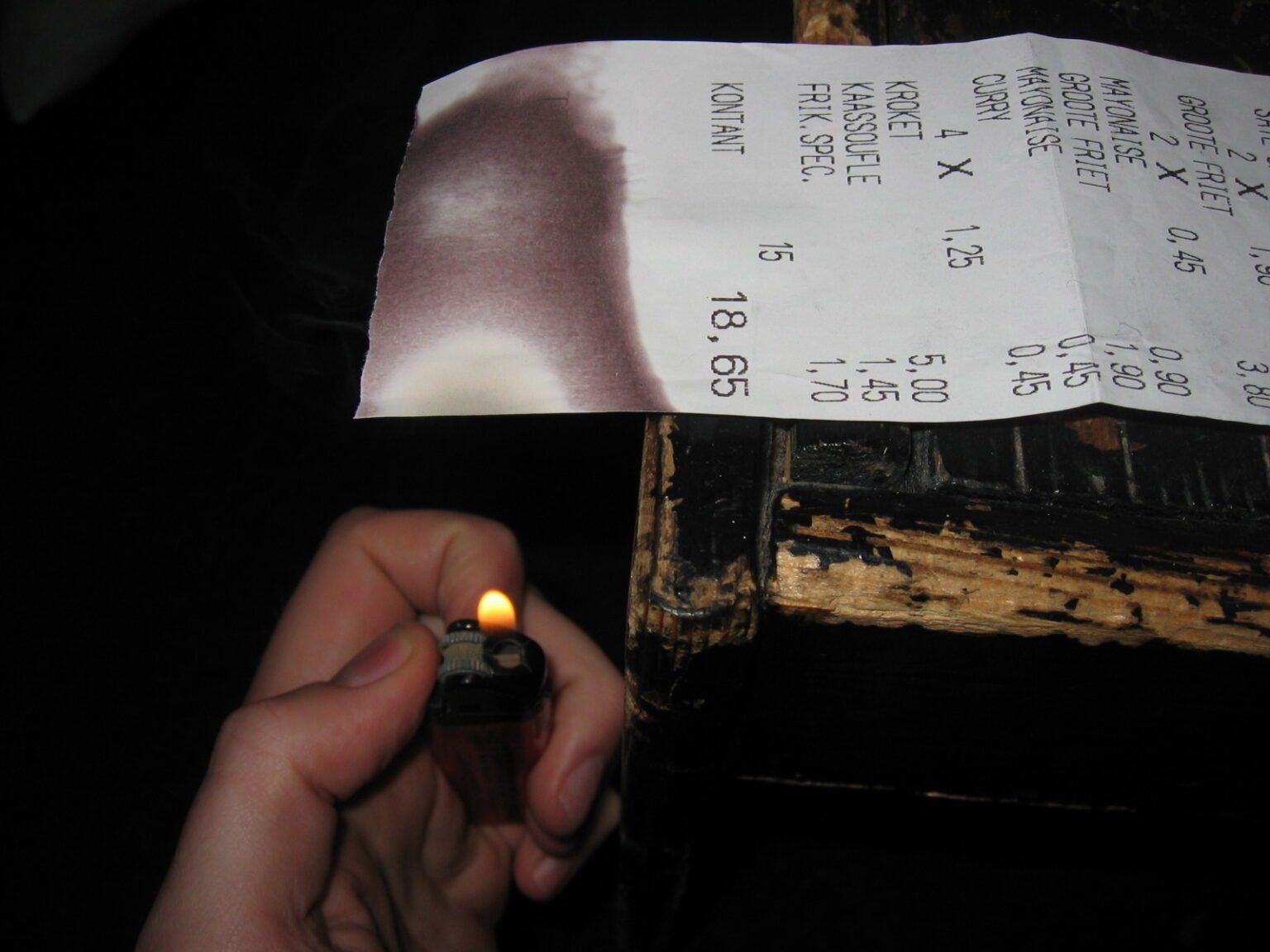
Thermal paper is more sensitive to its environment than regular copy paper, since the same heat-reactive coating that makes it print can also darken slowly from heat exposure it wasn’t meant to have. Store unused rolls away from direct sunlight, radiators, and hot storage rooms — a roll left near a window for a season can start darkening at the edges before it’s even used.
Once printed, keep receipts out of direct light and away from plastic sleeves made with PVC, which can react with the coating over time. For businesses that need to retain receipts for tax or warranty purposes, photocopying or scanning the important ones is worth doing well before the printed image has a chance to fade.
Printing Problems This Paper Avoids
Most complaints about thermal printing trace back to one of three things: light or patchy print, jamming, and premature fading. Light or patchy print usually means the coating sensitivity is inconsistent, so parts of the roll need more heat than the printer is set to apply. Standard Thermal Paper is coated to a consistent sensitivity across the whole roll specifically to avoid this.
Jamming on thermal printers is often a roll-diameter or core-fit issue rather than a paper-quality issue — a roll that’s slightly the wrong diameter for the holder can bind or feed unevenly. We hold roll diameter to a tight tolerance for exactly this reason.
Premature fading is usually a storage problem rather than a paper defect, though a lower-quality coating fades faster even under normal conditions. The coating on this roll is formulated to hold a legible image for a reasonable retention period under normal office and retail conditions.
A Quick Story From a Retail Client
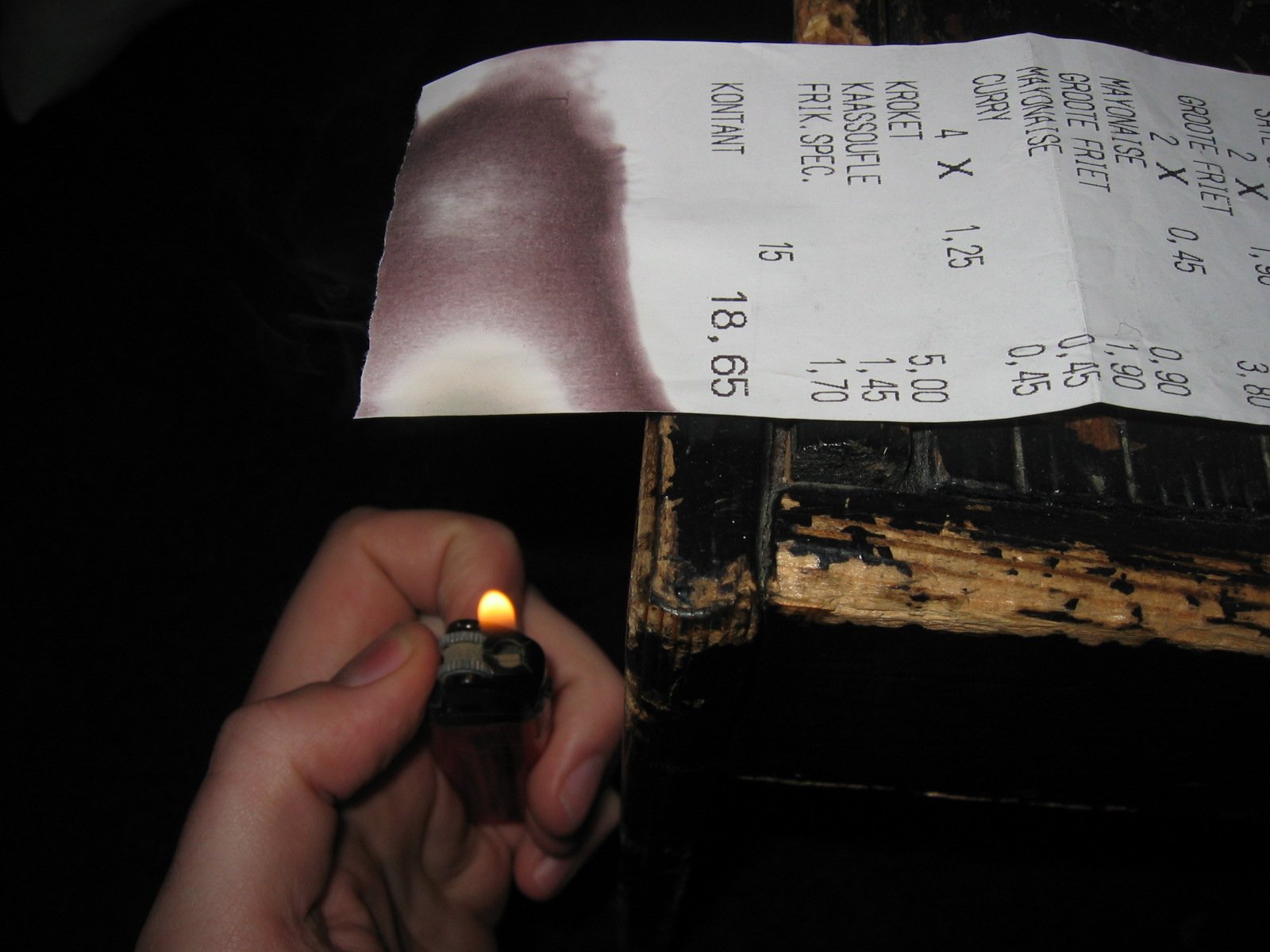
A mid-sized supermarket chain we supply switched to Standard Thermal Paper after their previous supplier’s rolls started causing intermittent light printing during their busiest hours — always, it seemed, right when a line was longest. It turned out the old rolls were coming from mixed production batches with inconsistent sensitivity, something their previous supplier couldn’t really explain when asked.
Within the first shipment of standard thermal paper, the complaints from cashiers about faint receipts basically stopped. It wasn’t a dramatic fix on paper — same GSM, same roll size — but consistent coating sensitivity turned out to be the whole difference between a receipt that prints dark and one a customer squints at.
How Consistency Is Controlled at the Mill
Reliable thermal paper comes down to a handful of production controls applied consistently rather than checked occasionally. Coating thickness is monitored continuously through a production run, because even a slightly thin or uneven coating layer changes how much heat is needed to get a dark, legible print.
Base paper weight is held within a tight GSM range, since a base sheet that’s too light can wrinkle or jam in a printer’s feed path, while one that’s too heavy may not fit properly in a compact roll holder. Slitting and winding tension are checked regularly too — a roll wound too loosely unwinds unevenly and can jam, while one wound too tight can crack the coating at the edges.
Every batch of standard thermal paper goes through the same checks, whether it’s roll one of a production run or roll one thousand, because a business ordering a full pallet needs every roll inside it to behave the same way at the register.
A Common Mistake Buyers Make
The most common mistake we see is businesses buying thermal paper purely on price per roll without asking about coating sensitivity or BPA-free certification. A cheaper roll that causes more light prints or jams isn’t actually saving money once you count the reprints, the wasted time, and the occasional printer service call caused by a roll that wasn’t finished to a consistent spec.
The second common mistake is ordering the wrong core size because nobody checked the printer’s spindle before placing a bulk order. It’s a five-minute check that avoids a pallet of rolls that don’t fit the equipment they were bought for.
More Questions Before You Order
What’s the minimum order quantity for wholesale pricing?
It depends on your destination and shipping method. We work with buyers from single-carton orders up to full container loads — reach out with your target quantity for an exact quote.
Do you provide volume discounts for standing orders?
Yes, recurring order arrangements typically get better pricing than one-off purchases, since we can plan production around a predictable schedule.
Can I mix roll widths in one shipment?
Yes, many wholesale buyers order a mix of 57mm and 80mm rolls in the same shipment to cover different printer types across their business.
What happens if a shipment arrives damaged?
Contact us with photos and your order reference as soon as it’s received. Export cartons are built to survive transit, but we handle claims directly rather than routing you through a third party.
Lead Times and Planning Around Deadlines
Buyers new to importing thermal paper are sometimes surprised by how much lead time shifts by season and destination port. We give a realistic estimate at the quote stage rather than a best-case number meant to win the order, because an inaccurate promise causes more damage to a business relationship than an honest timeline that runs a little longer than hoped.
If you’re planning around a specific date — a new store opening, a seasonal sales spike — tell us upfront and we’ll flag your order so production and shipping are scheduled with that in mind.
Private Labeling for Resellers
A number of our wholesale clients resell thermal paper under their own brand rather than ours. For standard roll sizes without custom branding, we can still support wholesale and private-label arrangements — though if you need custom widths, cores, or printed branding on the wrapper, our OEM Thermal Paper line is generally the better starting point since it’s built around that kind of customization from the outset.
Either way, raise it early when requesting a quote. Minimum quantities and lead times shift slightly once packaging and labeling requirements are added to a standard order.
Place Your Order
If Standard Thermal Paper sounds like the right fit for your registers, printers, or ticketing systems, our team can walk you through roll sizes, core options, and shipping to your region. Browse our full thermal paper range to compare it against our OEM line, or reach out directly through our contact page to request a wholesale quote. We also manufacture and export a full range of A3 copy paper and A4 copy paper if your business needs standard office paper alongside your thermal rolls. We manufacture and export this paper ourselves, so whether your order is a handful of cartons or a full container, you’re buying straight from the source.

Reviews
There are no reviews yet.