

If you have ever compared paper samples side by side under office lighting, you already know that not all “A4 copy paper” looks the same once it comes out of the ream wrapper. Paperone A4 copy paper is one of the brands that keeps showing up in bulk orders from print shops, schools, and government offices, and there is a reason for that beyond marketing. This is a practical look at what Paperone A4 copy paper actually is, what the specs mean in real use, and how wholesale buyers typically order it from a supplier like us.
What Paperone A4 Copy Paper Actually Is
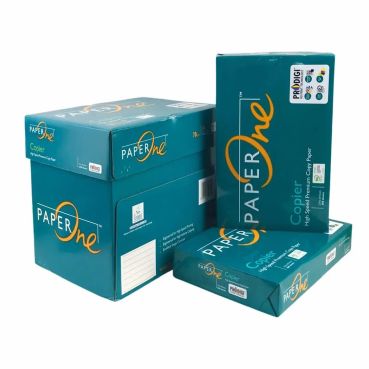
Paperone A4 is a wood-pulp based printing and copying paper made for everyday office use — invoices, reports, school handouts, forms, contracts, anything that goes through a printer or copier on a normal working day. It’s sold in reams (usually 500 sheets) and in bulk cartons for offices, print shops, and distributors who go through paper fast enough that buying single reams from a retail shelf just doesn’t make sense anymore.
What sets Paperone A4 apart from a generic no-name sheet is consistency. Every ream should feel and print the same as the last one, batch after batch. That sounds like a small thing until you’ve dealt with a shipment where half the reams jam in the printer and the other half don’t — at that point, consistency becomes the entire point of paying for a known brand instead of whatever is cheapest that week.
The Specs That Actually Matter When You’re Buying in Bulk
When a buyer asks us about Paperone A4, they’re rarely asking in the abstract — they want numbers they can compare against whatever they’re using now. Here’s what actually matters:
Weight (GSM): Paperone A4 is typically available in 70gsm and 80gsm. The 70gsm option is lighter and more economical for high-volume printing where cost per ream matters most — think large training manuals or internal memos that don’t need to feel premium. The 80gsm option has more body to it, handles double-sided printing without much show-through, and is what most offices default to when they want a paper that feels solid without paying for something heavier than they need.
Brightness: Brightness in this paper generally sits in the 96-100% range depending on the specific grade, which puts it solidly in “bright white” territory. Higher brightness makes both text and color graphics look sharper, which matters more than people expect once you’re printing anything with a logo or a chart on it.
Opacity: This is the spec that decides whether text bleeds through from one side of the page to the other. Paperone A4 is built with good opacity for its weight class, which is one of the main reasons it holds up for double-sided printing better than cheaper alternatives at the same gsm.
Sheets per ream: Standard is 500 sheets per ream, packed into cartons of 5 reams (2,500 sheets per carton), which is the typical unit that shows up on export documentation and pricing sheets.
Moisture content: Kept in a tight range, generally around 4-5%, which is what actually determines whether the paper feeds smoothly through high-speed copiers and laser printers without curling or jamming. Paper that’s too dry becomes brittle and prone to static; paper that’s too wet curls and jams. This is a detail most buyers never think about until they’ve had a bad batch.
Why the Jam-Free Claim Actually Means Something Here
Every paper brand claims to be jam-free, so it’s a phrase that’s basically lost its meaning through overuse. With Paperone A4, what actually backs that claim up is the combination of controlled moisture content and a smooth, consistent cut on every sheet. A ream that’s been cut unevenly, even slightly, will cause sheets to catch on rollers in high-speed copiers — and once you’re printing a few thousand pages a day across multiple machines, even a 1% jam rate adds up to a real productivity problem.
We’ve had customers switch to Paperone A4 specifically after dealing with a supplier whose paper looked fine on paper (so to speak) but jammed constantly in their office copiers. It’s one of those things that’s hard to evaluate from a spec sheet alone — you mostly find out by running it through your actual machines, which is why we’re always happy to send sample reams before a bulk order.
Where This Paper Actually Gets Used
Paperone A4 copy paper shows up most often in a handful of settings: schools and universities running exam papers and course materials, government offices processing forms and official documents, print shops and copy centers doing walk-in jobs, and corporate offices with high-volume printing needs. It works fine in both laser printers and inkjet printers, and it’s compatible with standard photocopiers, which is part of why it’s a common default choice for organizations that don’t want to stock different paper for different machines.
We also see a fair amount of demand from resellers and distributors who buy Paperone A4 in bulk container quantities and break it down into smaller lots for local retail. If that’s your business model, the pricing structure changes meaningfully at container-load volumes, so it’s worth talking to us directly about tiered pricing rather than assuming the per-ream rate stays flat as you scale up.
How Bulk and Export Ordering Actually Works

For most wholesale buyers, ordering Paperone A4 starts with a simple question: how many cartons, and where does it need to go? We supply by the carton (2,500 sheets), by pallet, and by full container load for larger export orders. Pricing depends on quantity, destination, and current pulp market conditions, since paper pricing does shift with global pulp prices the same way most commodity-linked goods do.
Shipping is handled by sea freight for container orders, which is standard for bulk Paperone A4 exports given the weight and volume involved — air freight simply doesn’t make economic sense for a product this heavy unless it’s a small emergency order. Lead times vary by destination and current production schedules, so we’d rather give you an accurate number when you reach out with your specific quantity and destination than throw out a generic estimate that might not hold.
What Separates One Supplier From Another
Honestly, a lot of suppliers of Paperone A4 copy paper are selling more or less the same underlying product with different packaging and different levels of service around it. What we’ve found actually matters to buyers over the long run isn’t just the initial quote — it’s whether the supplier can maintain consistent quality shipment after shipment, whether they’re straightforward about lead times instead of overpromising, and whether they actually respond when something needs to be sorted out after the order has shipped.
We supply Paperone A4 as one of several brands we carry, alongside our own house-brand paper and other established names, so we’re not locked into pushing one brand regardless of what actually fits a customer’s budget and requirements. If Paperone isn’t the right fit for a particular order — sometimes it isn’t, depending on the buyer’s price point — we’ll say so rather than just selling whatever’s in front of us.
A Few Honest Notes Before You Place an Order
Paperone A4 isn’t the cheapest option on the market, and it’s not trying to be. It sits in a mid-to-upper tier for branded copy paper, which is exactly where most of our bulk buyers want to be — good enough quality that they’re not dealing with jams and complaints, without paying premium pricing for specs they don’t actually need. If your priority is the absolute lowest cost per ream and quality is a secondary concern, there are cheaper unbranded alternatives to Paperone A4 copy paper we can also quote, though we’d be upfront that the trade-offs are real.
One thing worth flagging: Paperone A4 that’s stored improperly — high humidity, direct sunlight, or long-term storage in non-climate-controlled warehouses — can degrade in performance even if it left our facility in perfect condition. If you’re planning to hold inventory for several months before use, it’s worth asking us about storage recommendations specific to your climate, especially in humid coastal regions where moisture pickup is a real risk.
Counterfeit and Mislabeled Stock Is a Real Problem
Because Paperone is a recognized brand name, it unfortunately attracts counterfeit and mislabeled stock in some markets — reams sold under the Paperone A4 name that were never actually produced to that specification. As a legitimate distributor, we can only speak to what we supply directly, but it’s worth knowing this happens in the market generally, and it’s one more reason buyers should work with suppliers who can document where their stock actually comes from rather than just taking a label at face value.
Common Mistakes First-Time Bulk Buyers Make
A few patterns show up often enough with new buyers that they’re worth mentioning directly. The first mistake buyers make with Paperone A4 is ordering purely on price without requesting a sample first — a few dollars saved per carton doesn’t mean much if the paper causes jams that slow down an entire office. The second is underestimating how much moisture and climate affect long-term storage, especially for buyers in tropical or coastal regions who don’t always think about it until reams start curling in a warehouse.
The third mistake, and probably the most common one, is not asking enough questions about gsm and brightness before ordering, then being surprised when the paper feels different from what they expected. A quick conversation about your actual use case — mostly text documents versus color graphics, single-sided versus double-sided printing, laser versus inkjet — usually clears this up before it becomes a problem after the order has already shipped.
Recycled Content and Sourcing
Paperone A4 copy paper, like most major copy paper brands, is produced primarily from virgin wood pulp sourced from managed forestry operations, which is what gives it the brightness and consistency buyers expect from a premium copy paper line. Some buyers specifically ask about recycled content because of internal sustainability policies, and while Paperone’s core copy paper lines are generally virgin-pulp based, we’re happy to discuss recycled-content alternatives from our other brand lines if that’s a requirement for your organization, including options that carry ISO-certified paper sizing standards for consistent international sheet dimensions.
Quick Answers to Questions We Get Asked a Lot
Is Paperone A4 suitable for both laser and inkjet printers? Yes, it’s formulated to work well across both, which is one of its main selling points for offices running mixed printer fleets. Does Paperone A4 work in high-speed commercial copiers? Yes, that’s actually one of the main use cases it’s designed around, particularly the 80gsm grade. What’s the shelf life if stored properly? Copy paper doesn’t really expire, but quality can degrade over extended storage in poor conditions, generally after a year or more in humid environments without climate control.
How do I know what gsm I need? If you’re mostly printing internal documents and want to keep costs down, 70gsm usually does the job fine. If you want something that feels more substantial and handles double-sided printing with less show-through, 80gsm is the safer choice, and it’s what we’d recommend if you’re not sure which way to go.
Cost Per Ream Isn’t the Whole Story
A lot of buyers compare suppliers purely on the quoted price per ream, which makes sense on the surface but misses a few things that affect the real cost. Jam rates cost time and, in a busy office, time costs money in ways that don’t show up on an invoice. Consistency between batches matters too — if every third carton needs to be manually checked because quality varies, that’s a hidden labor cost nobody accounts for until it’s already a problem. When we quote a price on Paperone A4, we’re quoting for a product that’s been consistent enough that most of our repeat buyers stop double-checking incoming shipments after the first few orders.
Packaging Options for Different Markets
Depending on the destination market, we can adjust packaging to suit local retail or distribution norms. Some markets prefer standard shrink-wrapped reams in plain cartons for straightforward wholesale redistribution, while others want reams with specific branding or labeling requirements for retail shelf placement. If you’re importing Paperone A4 copy paper for resale rather than internal office use, it’s worth telling us that upfront so we can package accordingly rather than defaulting to our standard export carton configuration, which is built more for warehouse handling than retail display.
Pallet configuration is also something we can adjust based on your local handling equipment and warehouse constraints. Some destinations have specific pallet size or weight restrictions tied to local forklift capacity or storage racking, and it’s a lot easier to sort that out before the container ships than after it arrives and someone discovers the pallets don’t fit the racking.
What a Typical First Order Looks Like
Most new customers start smaller than they eventually end up ordering, which is reasonable — nobody wants to commit to a full container before confirming the paper actually performs the way they need in their specific printers and climate. A common first order of Paperone A4 is a pallet or a partial container, enough to run through actual office equipment for a few weeks and confirm print quality, jam rates, and how the reams hold up in storage. Once that’s confirmed, most buyers move to standing orders on a monthly or quarterly schedule, which also tends to get them better pricing than one-off orders.
We’re set up to handle both patterns — the cautious first-timer running a trial pallet and the established distributor who just needs their next container on schedule. Either way, the process starts the same: tell us your quantity, your destination, and your timeline, and we’ll get back with a real quote rather than a generic price list.
Comparing Brands When You’re Buying at Scale
Buyers who order Paperone A4 regularly eventually end up comparing several brands side by side, and it’s a reasonable thing to do before committing to a large volume. What we usually tell people is to look past the name on the wrapper and focus on three things: how the paper actually performs in their specific machines, how consistent it is across multiple shipments over time, and whether the pricing holds up once you factor in freight and any import duties for your destination. Brand reputation matters, but it’s really a proxy for consistency — a well-known brand has usually earned that reputation by not varying much from batch to batch, which is exactly what a high-volume office needs.
We stock a handful of established brands alongside our own house label, and pricing between them isn’t always as far apart as people assume, especially once you’re ordering by the container. Some buyers are surprised to learn that a slightly lesser-known brand performs identically in their equipment while costing less, and others find that paying a bit more for a recognized name is worth it simply because it’s easier to explain to their own customers or internal purchasing department. Either way, it’s worth asking us for a side-by-side comparison rather than assuming one option is automatically the right call for your situation.
Storage and Climate Considerations for Long-Distance Shipments
Paperone A4 is more sensitive to its environment than most people expect, and this becomes especially relevant for buyers importing into humid or coastal regions. Once a shipment leaves our facility, how it’s stored on the receiving end has a real effect on how it performs months later, regardless of how well it was packed for transit. Warehouses without climate control in tropical climates can see paper absorb ambient moisture over time, which shows up later as curling, static buildup, or inconsistent feeding through copiers — problems that look like a quality issue with the paper itself but are actually a storage issue after the fact.
Our export packaging is designed to protect against moisture during transit, but we always recommend that buyers in humid climates plan for reasonably quick turnover of stock rather than holding large reserves for extended periods, particularly during rainy seasons. If your operation does need to hold inventory for months at a time, it’s worth investing in basic climate control for the storage area, or at minimum keeping stock off concrete floors and away from exterior walls where condensation is more likely to form. We’re happy to walk through storage recommendations specific to your region if you let us know where the shipment is headed.
Details That Get Missed on Purchase Orders
When we process a bulk order of Paperone A4 copy paper, a handful of small details tend to get skipped by first-time buyers and then cause delays later. Destination port matters more than people expect — quoting a price without confirming the exact port of discharge can lead to mismatched freight estimates once the actual booking happens. Preferred incoterms (FOB, CIF, and so on) also change who’s responsible for what along the shipping chain, and it’s worth confirming this early rather than assuming everyone means the same thing by “delivered price.”
Payment terms are another area worth nailing down before production starts rather than after. Standard practice for new relationships is usually a deposit with balance due before shipment, though this can flex for established buyers with a track record of repeat orders. None of this is complicated, but getting it clarified in the first email exchange saves a week of back-and-forth once a container is already scheduled to load.
Getting a Quote on Paperone A4 Copy Paper

If you’re ready to move forward, the fastest path for ordering Paperone A4 is reaching out directly through our contact page with your target quantity and shipping destination. You can also check current availability and specs on our Paperone A4 copy paper product page, or browse our full paper catalog on the homepage if you’re comparing multiple grades before deciding. For buyers who want to know more about who they’re ordering from before committing to a bulk shipment, our company profile covers our production and export background in more detail.
Either way, we’d rather answer your specific questions directly than have you guess based on a generic spec sheet — reach out and we’ll get you real numbers for your order.
Related Paper Guides
Comparing options before you order? Take a look at our other brand guides: Xerox Copy Paper A4, Typek A4 Copy Paper, Navigator A4 Copy Paper, and Chamex Multipurpose A4 Paper.
Brand and product names mentioned on this page are trademarks of their respective owners and are used for identification only. WB PAPER FACTORY is an independent supplier and is not affiliated with or endorsed by the trademark owners.