

Navigator A4 copy paper comes up a lot in conversations with buyers who’ve already tried a few brands and are looking for something that performs consistently without needing to babysit every shipment. It’s a European-made paper with a reputation that’s earned more through word of mouth in offices than through advertising, and that’s usually a good sign when you’re trying to figure out whether a brand actually delivers or just markets well. Here’s an honest look at Navigator A4 copy paper — what it actually is, the specs that matter, and how bulk buyers typically order it from us.
What Navigator A4 Copy Paper Actually Is
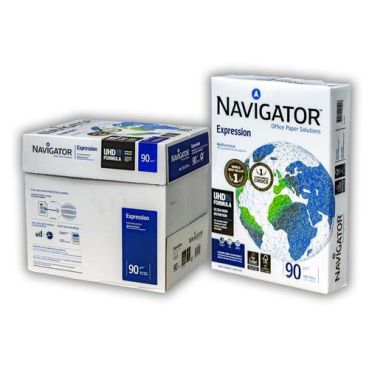
Navigator paper is a premium wood-pulp printing and copying paper, produced by a European manufacturer known for tight quality control across every batch. It’s sold in standard 500-sheet reams and bulk cartons, and it’s positioned as a step up from generic office paper — the kind of brand that shows up in offices where print quality on presentations and client-facing documents actually matters, not just internal memos.
What tends to stand out to first-time buyers about Navigator paper is how smooth and consistent the sheet feels compared to cheaper alternatives. That’s not just a texture thing — it translates into fewer misfeeds and a cleaner print result, especially on higher-end laser printers and multifunction copiers that are sensitive to paper quality.
The Specs That Actually Matter When You’re Buying in Bulk
When buyers ask us about Navigator paper, they usually want to compare it directly against whatever they’re currently using. Here’s what actually matters:
Weight (GSM): Navigator paper is typically available in 75gsm and 80gsm, with some premium lines going up to 90gsm or higher for presentation-quality documents. The 75gsm option balances cost and performance well for everyday office printing, while 80gsm and above are chosen when a heavier, more substantial feel matters — client proposals, bound reports, anything that’s meant to leave an impression.
Brightness: Navigator paper typically rates around 104% brightness on the CIE scale, which is noticeably brighter than most standard copy paper. This matters most when you’re printing color graphics or photos, where higher brightness makes colors pop instead of looking washed out against a duller background.
Opacity: High opacity is one of Navigator’s known strengths, which is part of why it handles double-sided printing so well without visible show-through, even on lighter gsm options. This is a detail that matters more than people expect once they start printing long double-sided reports.
Sheets per ream: Standard packaging is 500 sheets per ream, with 5 reams per carton (2,500 sheets), matching the standard export unit used across most bulk paper shipments.
Moisture content: Controlled tightly, generally in the 4-5% range, which keeps the paper feeding smoothly through high-speed copiers without curling, static buildup, or jamming — the kind of detail that separates a premium brand from something that just looks fine on a spec sheet.
Why the Feed Consistency Actually Matters Here
A lot of paper brands make similar-sounding claims about smooth feeding and jam resistance, and after a while those claims start to blur together. With Navigator paper, what actually backs it up is the precision of the sheet cutting and the consistency of the pulp processing — both of which come from tight manufacturing controls that don’t vary much between production runs. Buyers who’ve run large volumes through high-speed copiers tend to notice the difference specifically in busy multifunction printers that process hundreds of pages a day, where even minor inconsistencies in sheet thickness show up as misfeeds.
We’ve had customers switch to Navigator paper after dealing with inconsistent batches from other suppliers — reams that performed fine one month and jammed constantly the next. That kind of batch-to-batch inconsistency is hard to catch from a spec sheet alone, which is why we’re always willing to send sample reams before committing to a full bulk order.
Where This Paper Actually Gets Used
Navigator A4 copy paper shows up most often in corporate offices, law firms, consultancies, and any workplace where printed documents go in front of clients regularly. It’s also a common choice for government offices and universities in regions where the brand has strong distribution, and for print shops that want a premium option alongside their standard stock. It works well in both laser and inkjet printers and is compatible with essentially all standard photocopiers and multifunction devices.
We also see steady demand from distributors and resellers who import Navigator paper in bulk to serve premium segments of their local market, where customers are specifically looking for a European brand rather than a generic alternative. If that’s your business model, we can talk through container-load pricing and how it compares to smaller pallet orders.
How Bulk and Export Ordering Actually Works

Ordering Navigator paper in bulk starts the same way most of our wholesale orders do: quantity and destination first, then we build a real quote around those numbers. We supply by the carton, by pallet, and by full container load, with pricing shifting based on quantity, shipping distance, and current global pulp market conditions, since paper as a commodity does track pulp pricing to some degree regardless of brand.
Shipping for bulk orders goes by sea freight, which is the standard method for container-scale Navigator paper exports given the weight involved. Lead times depend on your destination and our current production and shipping schedule, so rather than quoting a generic timeframe, we’d rather get your specific details and give you something accurate to plan around.
What Separates One Supplier From Another
At the end of the day, a lot of suppliers can get you a ream of Navigator A4 copy paper. What actually separates a good supplier from an average one is consistency across shipments, honesty about lead times instead of overpromising, and being responsive if something needs sorting out after a container has already shipped. We carry Navigator alongside several other established brands and our own house-brand paper, so we’re not pushing one option regardless of whether it’s the right fit for a given customer’s budget.
If Navigator isn’t the right call for a particular order — sometimes a customer’s price point calls for something else — we’ll say so directly rather than just selling whatever’s easiest for us to move.
A Few Honest Notes Before You Order
Navigator paper sits toward the premium end of the copy paper market, and the pricing reflects that. If your priority is the absolute lowest cost per ream, there are more budget-friendly options we can quote instead, and we’d be upfront about that trade-off rather than pushing a premium brand where it doesn’t fit the buyer’s actual needs. Where Navigator earns its price is in situations where print quality genuinely matters to the end use — client-facing work, presentations, anything printed in color.
One practical note: Navigator paper stored in humid conditions or non-climate-controlled warehouses for extended periods can lose some of its performance edge regardless of how well it left our facility. If you’re planning to hold inventory for several months, especially in a tropical or coastal climate, it’s worth a quick conversation with us about storage recommendations specific to your region.
Counterfeit and Mislabeled Stock Is a Real Problem
Because Navigator is a well-regarded brand internationally, it does attract counterfeit and mislabeled stock in some markets, particularly reams sold under the Navigator A4 copy paper name that were never actually produced to the real specification. As a legitimate distributor, we can only vouch for what we supply directly, but it’s a genuine risk in the broader market, and it’s one more reason to work with suppliers who can document exactly where their stock comes from.
Common Mistakes First-Time Bulk Buyers Make
A handful of patterns show up repeatedly with new buyers. The most common mistake with Navigator paper is ordering based purely on brand reputation without requesting a sample first to confirm it actually performs well in their specific printers — reputation is a good signal, but it’s not a substitute for testing in your own equipment. The second is underestimating storage and climate effects on paper quality over time, especially for buyers in humid regions who don’t think about it until reams start curling months later.
The third is not asking enough questions about gsm options before ordering. Navigator’s range spans from standard office weight up to heavier presentation-grade options, and picking the wrong one for your actual use case is an easy way to end up either overpaying or underdelivering on print quality. A short conversation about what you’re actually printing usually sorts this out before it becomes a problem after the order has shipped.
Sourcing and Environmental Certification
Navigator paper is produced from wood pulp sourced through managed forestry programs, and the brand carries recognized environmental certifications that many corporate buyers specifically look for as part of their own sustainability commitments, including compliance with ISO paper sizing standards for consistent international sheet dimensions. If your organization has specific sustainability documentation requirements for procurement, we can provide the relevant certification details alongside your order.
Quick Answers to Questions We Get Asked a Lot
Does Navigator paper work well in both laser and inkjet printers? Yes, it’s formulated for both, and its high opacity makes it a strong choice for double-sided printing on either. Is it suitable for high-speed commercial copiers? Yes, that’s actually one of its core strengths, particularly given how consistently the sheets are cut. What gsm should I choose for everyday office use? 75gsm covers most standard printing needs, while 80gsm or higher makes sense for documents where a more premium feel matters.
How does Navigator A4 copy paper pricing compare to standard copy paper brands? Navigator sits at a premium price point compared to generic paper, though the gap between it and other established brands is often smaller than buyers expect, especially at container-load volumes.
Cost Per Ream Isn’t the Whole Story
Buyers who compare Navigator paper suppliers purely on quoted price per ream often miss the parts of the cost that don’t show up on an invoice. Jam rates and misfeeds cost real time in a busy office, and inconsistency between batches means someone ends up manually checking incoming shipments, which is its own hidden labor cost. When we quote Navigator paper, we’re quoting a product with a track record of being consistent enough that most repeat customers stop double-checking shipments after their first couple of orders.
Packaging Options for Different Markets
We can adjust packaging depending on the destination market’s retail or distribution norms. Some markets are fine with standard export cartons for straightforward wholesale redistribution, while others need specific branding, labeling, or retail-ready packaging if the stock is going straight to shelf. If you’re importing Navigator paper for resale rather than internal office consumption, flag that early so we can package accordingly instead of defaulting to our standard warehouse-oriented export configuration.
Pallet sizing and configuration can also be adjusted based on your local handling equipment and warehouse setup. It’s a lot easier to sort out pallet dimensions and weight limits before a container ships than to discover a mismatch with your racking system after it’s already arrived at the port.
What a Typical First Order Looks Like
Most buyers new to Navigator A4 copy paper start with a trial order — a pallet or partial container — to confirm the paper performs as expected in their actual printers and holds up through their storage conditions before committing to a full container. Once that trial run checks out, most move to a regular ordering schedule, whether that’s monthly or quarterly, which typically comes with better pricing than one-off orders.
Whether you’re testing the waters with a smaller first order or you’re an established distributor who just needs your next container on schedule, the process starts the same way: tell us your quantity, your destination, and your timeline, and we’ll put together a real quote rather than a generic price sheet.
Comparing Navigator to Other Premium Brands We Carry
Buyers who order Navigator paper at scale eventually end up weighing it against other established brands in the same premium tier, which is a reasonable thing to do before committing to a large volume. What we usually tell people is to focus less on the name and more on three practical factors: how the paper actually performs in their specific equipment, how consistent it stays across repeat shipments, and whether the total landed cost — including freight and any import duties — still makes sense once you’ve compared it to the alternatives. A recognized name is really a proxy for consistency, since brands earn that reputation by not varying much between production runs.
We stock several premium and mid-tier brands alongside our own house label, and the price gap between them is often smaller than people expect once you’re ordering by the container rather than by the pallet. Some buyers find that a slightly less internationally known brand performs just as well in their machines for less money, while others decide the recognized name is worth the premium simply because it’s easier to justify internally or explain to their own customers. Either way, it’s worth asking us for a direct comparison rather than assuming one brand is automatically the right call for every situation.
Storage and Climate Considerations for Long-Distance Shipments
Navigator paper is more sensitive to its storage environment than most buyers expect, and this becomes especially relevant for anyone importing into humid or coastal regions. Once a shipment leaves our facility, how it’s handled and stored on the receiving end has a real effect on how it performs months down the line, no matter how well it was packed for the voyage. Warehouses without climate control in tropical or coastal climates can see paper absorb ambient moisture gradually, which later shows up as curling, static buildup, or inconsistent feeding through copiers — problems that look like a quality defect but actually trace back to storage conditions after the fact.
Our export packaging is built to protect against moisture during transit, but for buyers in humid climates we generally recommend planning for reasonably quick stock turnover rather than holding large reserves for extended periods, particularly through rainy seasons. If your operation does need to hold inventory for months at a time, it’s worth investing in basic climate control for the storage area, or at minimum keeping cartons off concrete floors and away from exterior walls where condensation tends to form first. We’re happy to walk through storage recommendations specific to your region once we know where the shipment is headed.
Details That Get Missed on Purchase Orders
When we process a bulk order of Navigator paper, a handful of small details tend to get overlooked by first-time buyers and then cause avoidable delays later. Destination port matters more than people expect — quoting a price without confirming the exact discharge port can lead to mismatched freight estimates once the actual booking happens. Preferred incoterms also change who’s responsible for what along the shipping chain, and it’s worth confirming this early rather than assuming everyone means the same thing by a “delivered” price.
Payment terms are another detail worth settling before production starts rather than after. Standard practice for new relationships is typically a deposit with the balance due before shipment, though this can flex for established buyers with a track record of repeat orders. None of it is complicated, but clarifying it in the first exchange saves a week of back-and-forth once a container is already scheduled to load.
What a Typical First Order Looks Like in Practice
New customers ordering Navigator A4 copy paper usually start smaller than they eventually end up ordering, which makes sense — nobody wants to commit to a full container before confirming the paper actually holds up in their own printers and their own climate. A common first order is a single pallet or a partial container, enough to run through actual office equipment over a few weeks and confirm print quality, jam rates, and how the reams hold up during storage before scaling up. Once that trial has checked out, most buyers move to a regular ordering rhythm, monthly or quarterly, which tends to come with noticeably better pricing than repeated one-off orders.
We’re equally set up to handle the cautious first-timer running a trial pallet and the established distributor who just needs their next container to arrive on schedule without any back-and-forth. Either way, the process starts the same: tell us your target quantity, your destination port, and your rough timeline, and we’ll come back with an actual quote rather than a generic price sheet that doesn’t account for your specific situation.
Getting a Quote on Navigator A4 Copy Paper

If you’re ready to move forward with Navigator paper, reach out through our contact page with your target quantity and shipping destination. You can check current specs and availability on our Navigator A4 copy paper product page, or browse our broader paper catalog on the homepage if you’re weighing it against other grades first. If you want more background on who you’re ordering from before committing to a bulk shipment, our company profile covers our production and export history in more detail.
Either way, we’d rather answer your specific questions directly than have you guess from a generic spec sheet — reach out and we’ll get you real numbers for your order.
One last thing worth mentioning: a lot of buyers wait until they’re actively running low on stock before reaching out, which can put unnecessary pressure on lead times, especially for larger container orders during peak shipping seasons. Building in a bit of lead time on your reorder cycle, even just a few extra weeks of buffer, tends to make the whole process smoother and gives us more room to work with on freight scheduling and pricing. It’s a small planning habit, but it’s one of the more common things that separates buyers who order smoothly year after year from ones who end up scrambling.
Related Paper Guides
Comparing options before you order? Take a look at our other brand guides: Xerox Copy Paper A4, Typek A4 Copy Paper, Paperone A4 Copy Paper, and Chamex Multipurpose A4 Paper.
Brand and product names mentioned on this page are trademarks of their respective owners and are used for identification only. WB PAPER FACTORY is an independent supplier and is not affiliated with or endorsed by the trademark owners.